Entertainment · Profile
George Lucas: The Deal That Made Star Wars a Fortune
A car crash just before his high school graduation ended his racing dreams and sent him toward film. Years later, he traded a bigger directing fee for the merchandising and sequel rights to Star Wars.
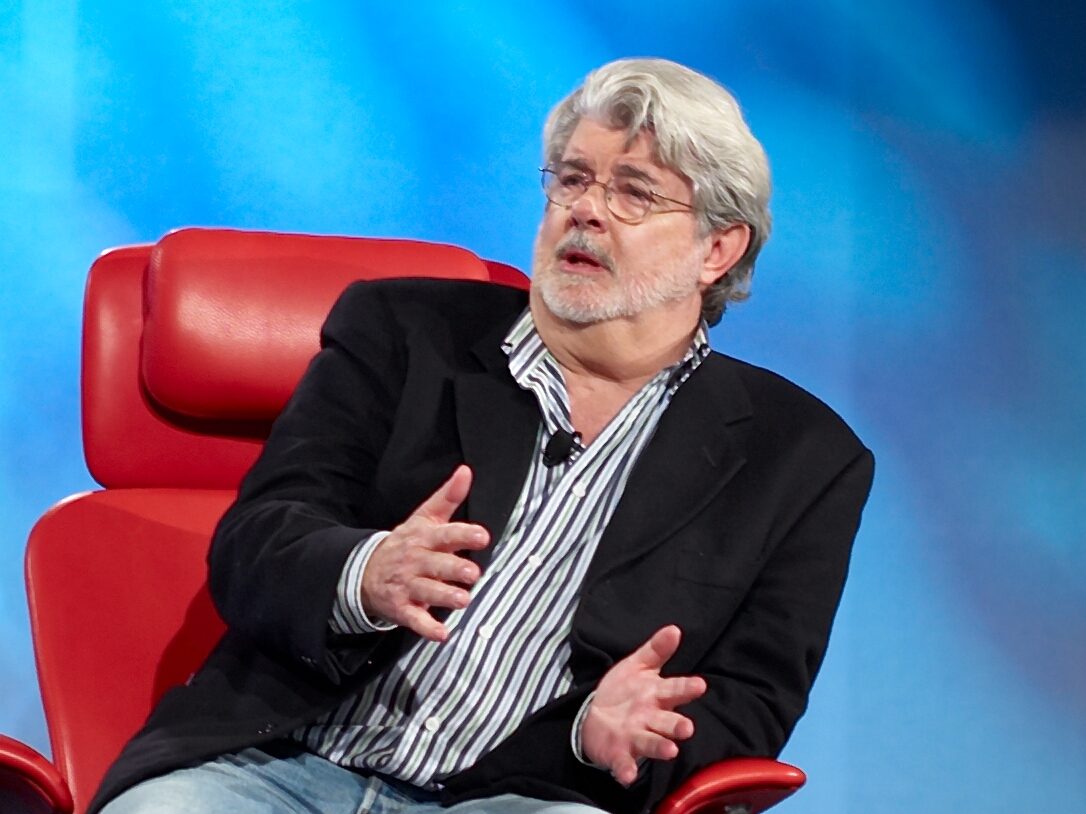
George Lucas made one of the smartest business decisions in Hollywood history before Star Wars was even released. Instead of demanding a bigger paycheck to direct it, he asked to keep the rights to the merchandise and the sequels. Nobody at the studio thought they were worth much.
A Turning Point
Lucas grew up in Modesto, California. As a teenager he was obsessed with cars and dreamed of racing. In June 1962, days before his high school graduation, he was nearly killed in a serious car crash. While he recovered, he rethought his future. He went to community college and then to the film school at the University of Southern California.
Film School Standout
At USC, Lucas made award-winning student films, including a short science fiction film that won a national student film festival. A scholarship to observe a Warner Bros. production introduced him to Francis Ford Coppola, and the two became close collaborators. Lucas’s first feature, THX 1138, flopped in 1971. His second, American Graffiti, released in 1973, was made on a small budget and became a huge hit.
The Star Wars Gamble
Several studios passed on Star Wars before 20th Century Fox agreed to make it. After American Graffiti, Lucas could have asked for a much larger directing fee. Instead, he negotiated to keep the merchandising and sequel rights. When Star Wars came out in 1977 and became the highest-grossing film of its time, the toys, books and sequels turned into an empire, and Lucas owned it.
Building Lucasfilm
Lucas had founded Lucasfilm in 1971. To create the effects he imagined for Star Wars, he started Industrial Light & Magic in 1975, which became one of the most important special effects companies in movie history. He paid for the sequel The Empire Strikes Back himself to keep control. Lucasfilm also had a computer graphics division, which Lucas sold to Steve Jobs in 1986. It became Pixar.
The Value of Merchandise
In the 1970s, studios saw movie merchandise as a minor sideline. Lucas saw it differently. Star Wars created a world full of characters, ships and creatures that fans wanted to own, and the toys, books and games kept the story alive between films. Merchandise also kept earning long after a movie left theaters.
Because Lucas owned those rights, the success flowed back to his company instead of the studio. That money gave him independence: he could finance his own sequels, build Industrial Light & Magic and make decisions without asking permission. Owning the franchise outright is also what made Lucasfilm so valuable when Disney came calling.
The Disney Sale
In 2012, Lucas sold Lucasfilm to Disney for $4.05 billion in cash and stock. He has pledged to give most of his wealth to education and has signed the Giving Pledge. With his wife, Mellody Hobson, he created the Lucas Museum of Narrative Art in Los Angeles. His story is the ultimate lesson in owning your intellectual property.
The Takeaways
- Own the rights to what you create.
- A setback can redirect you toward your real path.
- If the tools you need don’t exist, build them.
The Timeline
- 1944Born in Modesto, California
- 1962Survives a serious car crash just before graduation
- 1971Founds Lucasfilm; releases THX 1138
- 1973American Graffiti becomes a hit
- 1975Founds Industrial Light & Magic
- 1977Star Wars is released
- 1986Sells his computer graphics division, which becomes Pixar
- 2012Sells Lucasfilm to Disney for $4.05 billion
Frequently Asked Questions
What is George Lucas’s net worth?
Forbes estimated George Lucas’s net worth at $5.2 billion on its 2026 World’s Billionaires list. Much of it stems from the 2012 sale of Lucasfilm to Disney for $4.05 billion in cash and stock.
How much did Disney pay for Lucasfilm?
Disney bought Lucasfilm in 2012 for $4.05 billion in cash and stock.
Why did George Lucas keep the Star Wars merchandising rights?
Instead of asking for a bigger directing fee, he negotiated with 20th Century Fox to keep the merchandising and sequel rights. They became enormously valuable after the film’s success.
Sources & Further Reading
- Forbes: The world’s celebrity billionaires (2026)
- Forbes profile: George Lucas
- Lucasfilm
- Wikipedia: George Lucas
This profile is based on publicly available reporting and records, including the sources above. Net worth figures are third-party estimates and change over time. Celebrity Articles is independent and not affiliated with George Lucas. Spot an error? Request a correction.